An English version of an article ‘BI og analytics – også for forbrukere’ I wrote in 2011
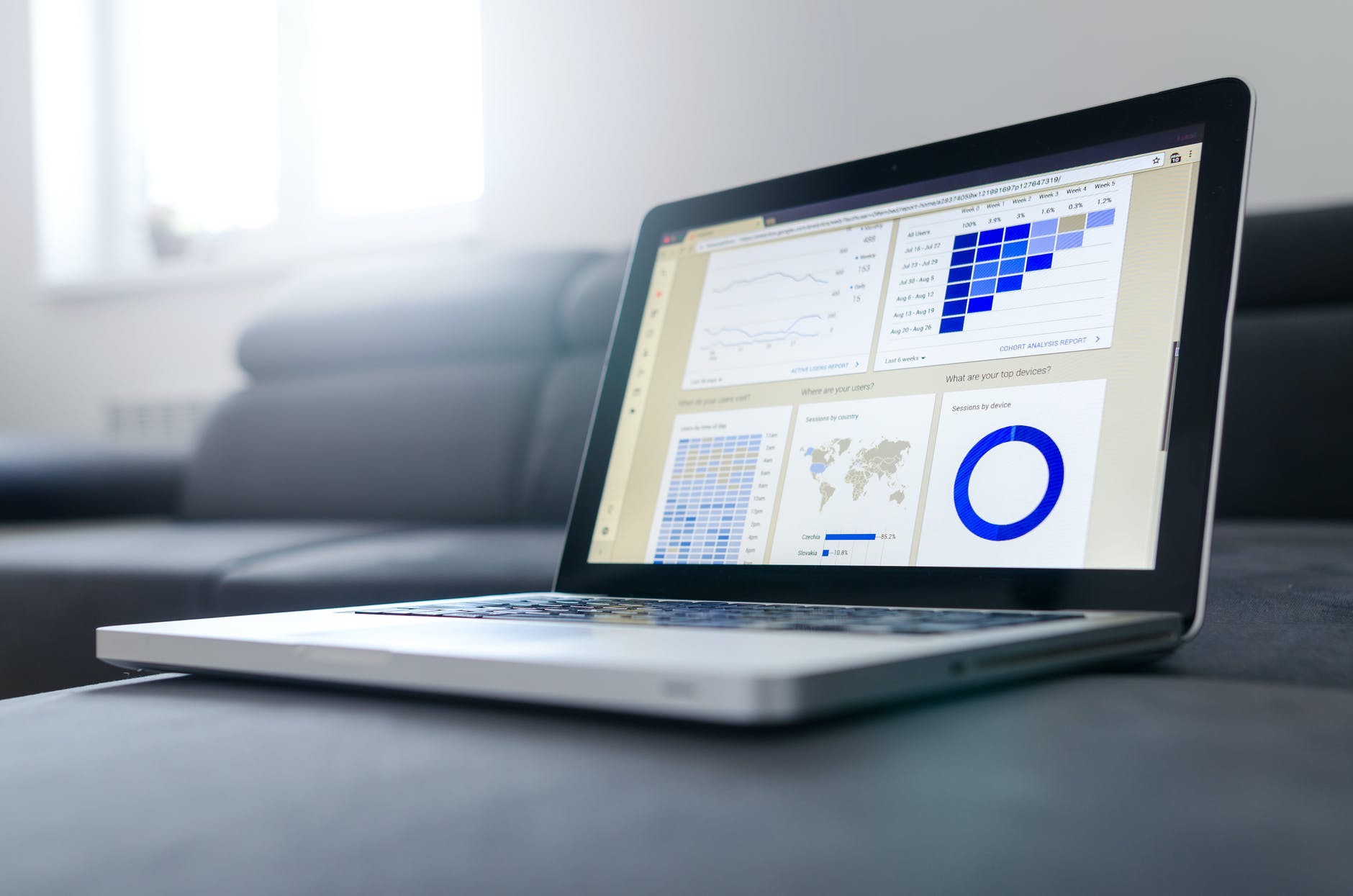
Professionals believe : Consumer orientation of BI and analytics will create smarter consumers and more profitable companies.
The trends for Business Intelligence point to mobile BI, operational BI and predictive analytics. It is about making information available in several channels, more often and for planning (or sometimes avoiding) activities in a company. Companies have a great potential in the use of such information, which is not utilized: Namely, to facilitate information for their customers on the customer’s terms to help him or her make better decisions.
Many are probably familiar with the TV program “Luksusfellen” which is about people who struggle with their private economy due to, for example, overuse of their credit cards. In the program, they get good advice for better financial management by obtaining a holistic view of their own consumption.
Financial institutions have access to their customers’ information based on payment information in their systems. The same information the company uses, could be offered to their customers where, for example, each individual could get an overview of their transactions. From the bank, credit card use and other payment transactions. Simple analytical presentations would enable the customer to detect overconsumption or find trends that can help streamline consumption. Use of an SMS service that notified each time the credit card was used for purchases over a given limit set by the user, or that the purchase could notify ‘probable’ future overconsumption. Another example could be a notification when the credit card was used a certain percentage above the average use in the last 12 or 24 months.
These examples are taken from payment services, but we also find similar examples in retail where loyalty programs have been established and good experience in obtaining and collecting information about the consumer’s buying patterns. But such information is seldom adapted on the consumer’s terms and to help the consumer make better choices. Some energy companies have begun to deliver a comparison of this year’s energy consumption with the previous years’ consumption.
There are probably many good reasons why players do not want to share such information with their customers. Everything from restrictions in the license the company has for the use of information, to the competition strategy, or in the worst case that it is considered profitable that consumers do not know enough about their own consumption. I hope it is only a matter of time before consumers have access to their own data. And preferably without suppliers being required to share such information. Without the processing of information, it will be impossible for consumers to keep track of data across online banking solutions and credit card listings.
I would argue that consumer-oriented BI solutions are possible within today’s framework. It requires simple solutions to begin with and a conscious dissemination of the value of information for all. BI is obviously useful for companies, but also useful for consumers who in turn will benefit the companies. The authorities and financial organizations must create the conditions for this. Maybe the Norwegian Consumer Council could enrich the website finansportalen.no with an analytical dimension?
In this way, consumer orientation will create smarter consumers and more profitable companies.
BI og analytics – også for forbrukere
Fagfolk mener: Forbrukerorientering av BI og analytics vil skape smartere forbrukere og mer lønnsomme bedrifter.
Trendene for Business Intelligence peker til mobil BI, operative BI og prediktive analyser. Det handler om å gjøre informasjon tilgjengelig i flere kanaler, oftere og til planlegging (eller unngåelse) av aktiviteter i en bedrift. Bedrifter har et stort potensial i bruk av slik informasjon, som ikke er utnyttet: Nemlig å tilrettelegge informasjon for sine kunder på kundens premisser for å hjelpe han eller hun til å ta bedre beslutninger.
Mange kjenner nok til TV-programmet «Luksusfellen» som handler om mennesker som sliter med økonomien grunnet for eksempel overforbruk av sine kredittkort. I programmet får de gode råd til bedre økonomistyring ved å skaffe et helhetlig blikk på sitt eget forbruk.
Finansinstitusjoner har tilgang til sine kunders informasjon basert på betalingsinformasjon i sine systemer. Samme informasjon bedriften benytter kunne de også tilbudt kundene der for eksempel hver enkelt kunne få oversikt over sine transaksjoner. Fra banken, kredittkortbruk og andre betalingstransaksjoner. Enkle analytiske fremstillinger vil sette kunden i stand til å oppdage overbruk eller finne trender som kan bidra til å effektivisere forbruket. Bruk av en SMS-tjeneste som varslet hver gang kredittkortet ble brukt til kjøp over en gitt grense som brukeren satt, eller at kjøpet kunne varsle kommende overforbruk. Et annet eksempel kan være varsling når kredittkortet ble brukt en viss prosent over gjennomsnittlig bruk de siste 12 eller 24 måneder.
Disse eksempler er tatt fra betalingsformidling, men tilsvarende eksempler finner vi også innen detaljhandel der det er etablert lojalitetsprogrammer og god erfaring med innhenting og samling av informasjon rundt forbrukerens kjøpemønstre. Men slik informasjon er sjeldent tilrettelagt på forbrukerens premisser og for å hjelpe forbrukeren å treffe bedre valg. Dog har enkelte energiselskaper begynt å levere en sammenligning av årets energiforbruk mot tidligere års forbruk.
Det er sikkert mange gode grunner til at aktørene ikke vil dele slik informasjon med sine kunder. Alt fra begrensninger i konsesjonen bedriften har til bruk av informasjon, til konkurransestrategien, til i verste fall at det ansees lønnsomt at forbrukere ikke vet nok om eget forbruk. Jeg håper at det bare er et tidsspørsmål før forbrukere får tilgang til egne data. Og da helst uten at leverandører er pålagt å dele slik informasjon. Uten foredling av informasjon vil det være umulig for forbrukere å holde orden på data på tvers av nettbankløsninger og kredittkortutlistinger.
Jeg vil påstå at forbrukerorienterte BI-løsninger er mulig innenfor dagens rammer. Det krever enkle løsninger til å begynne med og en bevisst formidling av verdien av informasjon for alle. BI er åpenbart nyttig for bedrifter, men også nyttig for forbrukere som igjen vil gagne bedriftene. Myndighetene og finansorganisasjoner må legge forholdene til rette for dette. Kanskje Forbrukerrådet kunne berike nettstedet finansportalen.no med en analytisk dimensjon?
Slik vil forbrukerorientering skape smartere forbrukere og mer lønnsomme bedrifter.
https://www.dataforeningen.no/bi-og-analytics-ogsaa-for-forbrukere.4941260-152530.html
12. aug 2011


 My beautiful life!